Framing, WBS, PERT, and critical path: methods to structure a project before the schedule.
Once the causes of slippage are understood, the question becomes practical: how do you frame a project to make its deadlines reliable? Project management methods are not scarce, but they are not all used at the same moment or with the same level of detail.
This page gathers proven approaches: upstream framing, work breakdown structure (WBS), dependency modeling (PERT chart), critical path calculation, then translation into time. The goal is not to stack documents, but to build a logical chain from “what” to “when”.
These methods change the game when applied early and collectively. The most common brake, however, is not the method itself: it is the cost of manual implementation. Spreadsheets to maintain, diverging versions, networks hard to evolve: many teams give up before collecting the benefits.
Here you will see how to approach them step by step, then how to deploy them in the field with supports suited to your context. The conclusion points to a tool that operationalizes these practices without sacrificing framing rigor.
Whatever is left unsettled here comes back later, once the schedule is set and everyone believes the question is closed. Scoping a project before you commit to a date is the first move.
Then comes the choice of approach. The overview of agile and traditional methodologies is there to help you place your own, which depends mostly on how much you know at the start.
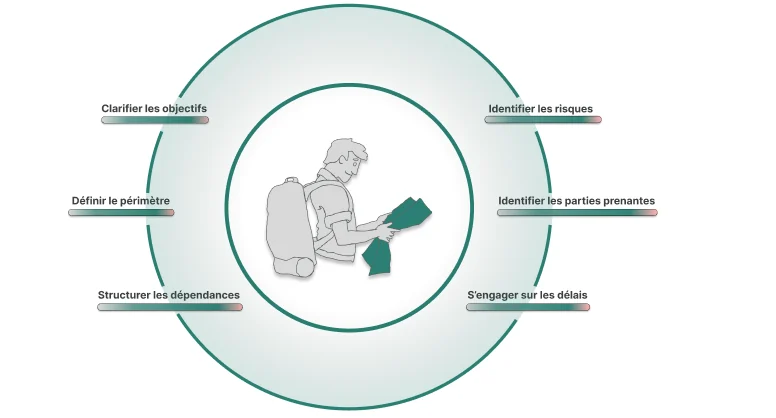
Framing is not paperwork. It is the last moment where a decision is cheap. Here is what a scoping stage has to produce before anyone opens a schedule.
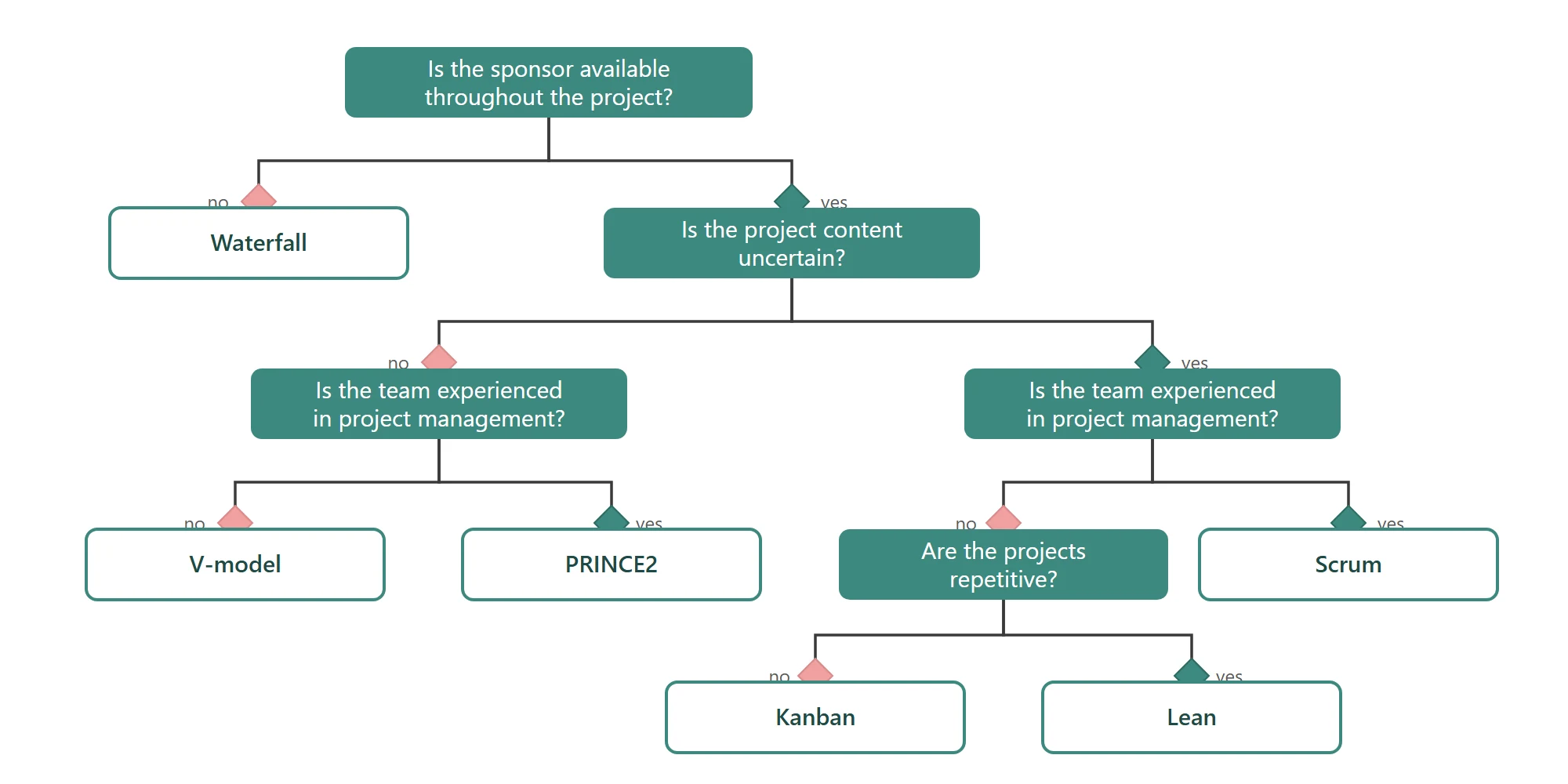
Waterfall, V-model, PRINCE2, Scrum, Kanban, Lean: what each method fixes at the start, what it leaves open, and the situations where it holds.
This is the most mechanical part of the job, and it carries everything else. You build a WBS step by step to get deliverables you can treat separately, then the PERT chart takes over and lays out the order they have to follow.
The expected duration, float and critical path calculation then names the tasks that command the end date. The others have room to slip. Those have none.
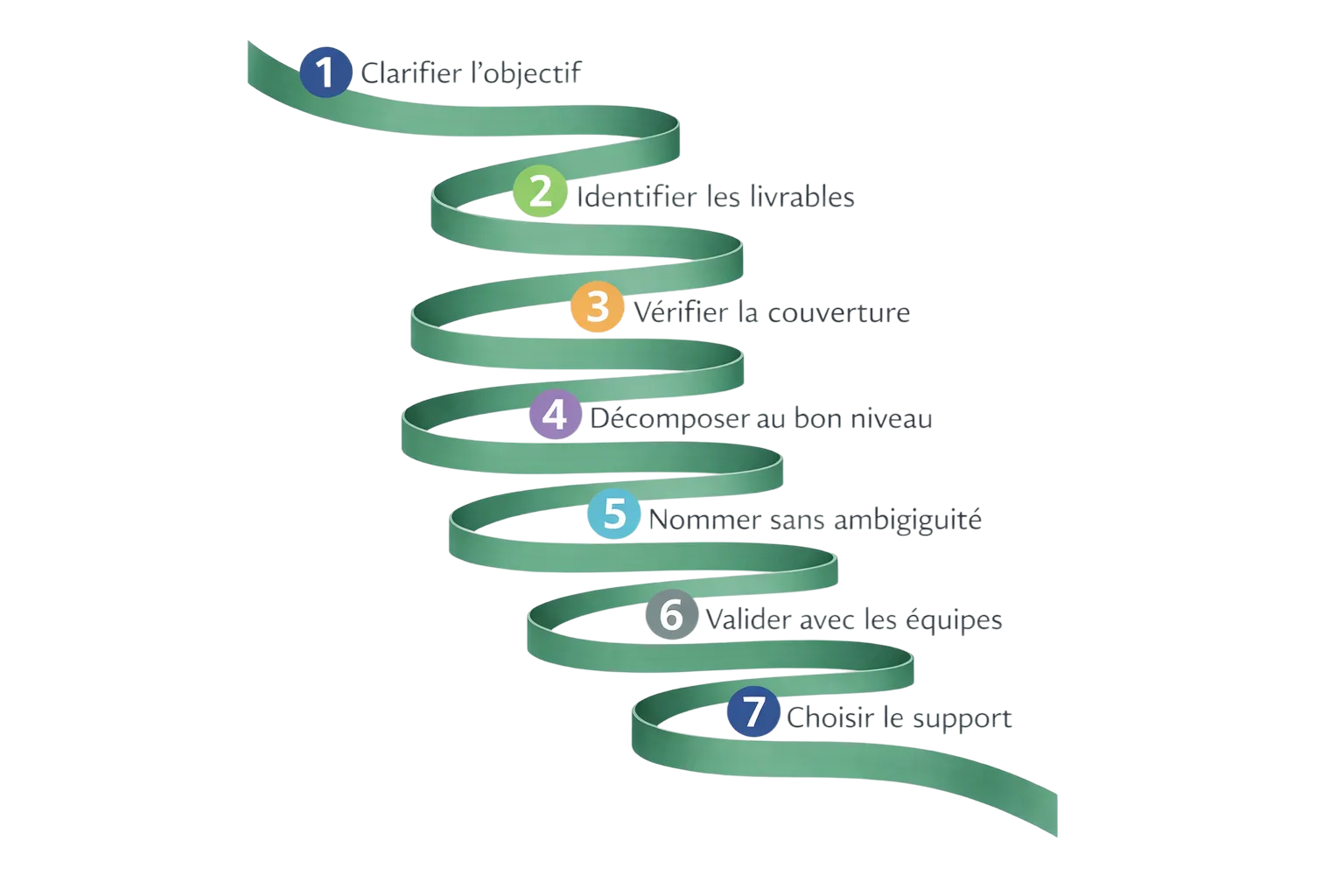
A practical method for decomposing a project into deliverables and work packages, with the checks that tell you the structure is sound.
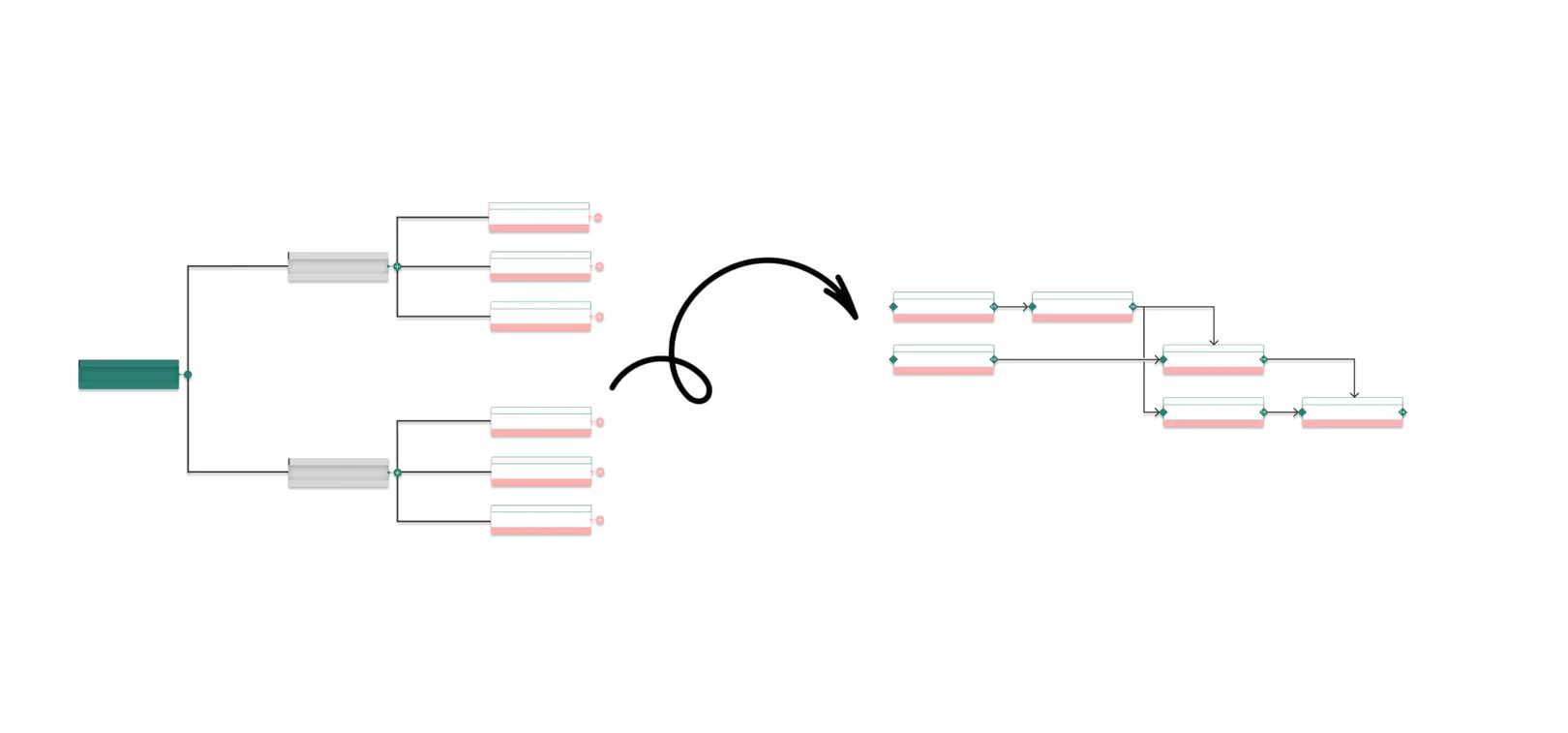
From a list of work packages to a dependency network you can compute: the method, the notation and the errors that make a network useless.
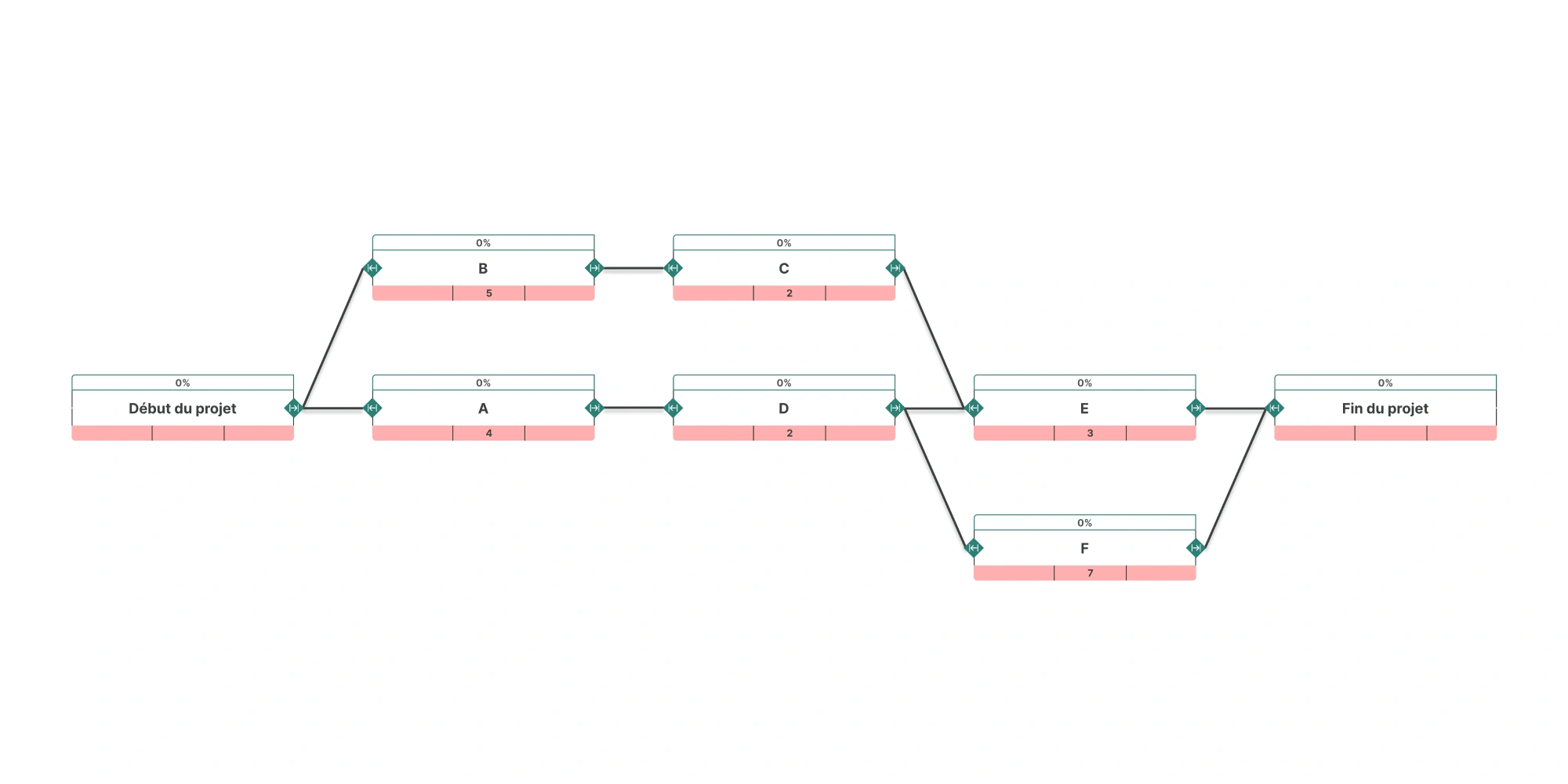
The three-point estimate, the forward and backward passes, total and free float: the arithmetic behind a schedule you can defend.
A date is worth exactly what the estimate behind it is worth. Estimating the duration of a task is the first move, and the one most often rushed.
Mastering framing, WBS, and PERT deeply improves project quality. But keeping them up to date across scattered files demands constant discipline. A forgotten dependency, a WBS that diverges between teams, a critical path recalculated too late: errors return quickly.
That is why a tool designed for the pre-project can make the difference: structure the scope, link tasks, visualize the network, and prepare a schedule based on real work, without rewriting everything at every trade-off.
To see how these methods can be applied in one workspace, discover the Orchesia approach: framing, dependencies, and steering connected from project start.
Start by clarifying the objective, scope, major constraints, and stakeholders. Formalize what is in and out, identify structuring risks, and validate assumptions before opening a detailed schedule.
Start from the final deliverable and break it down by levels: phases, work packages, components, then observable work elements. The WBS answers “what to produce”, not yet “when”. It is a shared base for estimating and discussing.
List activities, link them by dependencies, then calculate earliest and latest dates. Floats show where flexibility remains. The critical path groups zero-float tasks that fix the minimum project duration.
A whiteboard suits short workshops, a spreadsheet static documentation, a mind map exploration. As soon as dependencies and versions multiply, a dedicated tool reduces errors and speeds up collective updates.
With framing and a first shared WBS. As long as “what” is unstable, calculating a precise schedule invites confusion. Once scope is clarified, PERT and the critical path give a reliable meaning to “when”.
Orchesia connects framing, WBS, dependencies, and critical path in one space. Try it on a concrete project.