
Construction project scoping software: structure the work before you plan it
Construction projects rarely derail during execution — they derail before the planning even starts. Orchesia structures upfront work: clear scope, identified dependencies and reliable commitments before construction begins.
Three situations that derail construction projects before the first shovel hits the ground

Upstream decisions that aren't properly framed
Objectives, priorities, and trade-offs aren't formalized before kick-off. Commitments rest on implicit assumptions and quickly unravel once site realities emerge.

Upfront work not locked between the design team and the coordination lead
Scope, constraints, and interfaces between work packages aren't sufficiently defined. Trade-offs arrive too late, forcing revisions to schedules and responsibilities under pressure.

A schedule built before dependencies are stabilized
The construction schedule is set before approvals, constraints, and interfaces are clarified. It becomes a permanent catch-up tool rather than a planning one.
What Orchesia gives you
Solutions built for the way your teams actually work

Key decisions formalized before construction starts
Owner's representatives and design teams: formalize the objectives and structuring trade-offs from the upfront phase. Commitments rest on explicit, shared decisions — not implicit assumptions.

Dependencies between stakeholders and work packages visible from the start
the design team and the coordination lead: visualize critical interfaces between work packages, stakeholders, and approvals before any planning. Blockers are anticipated, not discovered on site.

A reliable construction schedule — not a catch-up schedule
the coordination lead: build your schedule on stabilized decisions and known constraints. The schedule becomes a management tool everyone can stand behind.
AI-assisted
AI does the legwork: project structure (WBS), task predictions, dependencies and critical path suggested automatically. You stay in control — AI just gets you there faster.
A well-prepared construction project means a clear scope, visible dependencies, and owned commitments before work begins.
Orchesia builds that structure in the upfront phase so design teams, owner's representatives and coordination leads plan on solid ground — not on assumptions.
Project scope and commitments structured in a single shared view
Formalize the project scope, objectives, deliverables, assumptions, and trade-offs in one view shared between the client (MOA), the owner's representative, and the design team. Commitments are clarified and validated before any planning of timelines and responsibilities.
Dependencies between stakeholders, work packages, and approvals calculated automatically
Orchesia visualizes interfaces between work packages, required approvals, and critical coordination points from the upfront phase. Dependencies and the critical path are identified before kick-off — not once blockers have already set in.
AI working on your project
Describe your project in one sentence: AI generates the WBS, predicts the tasks and proposes the dependencies. You review and adjust in one click. You keep control — AI just speeds it up.
A schedule generated from the project structure, not entered manually
With a clear scope and stabilized dependencies, the construction schedule is generated from the real project structure. No more arbitrary dates, no more replanning in the first week of work.
External trades follow the schedule without a full seat
Subcontractors, client representatives and inspection bodies get Visitor seats: read-only access to the projects you add them to. Each sees the sequencing that concerns them, without editing rights or a paid seat.
The contracted schedule frozen, the variance measured
Record the schedule at contract signature. At each progress review, the comparison shows which tasks slipped and by how much. Handover discussions stop being a matter of recollection.
Real crew availability, time off included
The workload view combines assignments across every active site with recorded absences. A crew already committed elsewhere shows up before you promise a date to the client.
Without upfront project scoping
The project starts on uncertain ground.
- Objectives and priorities misaligned between MOA, the owner's representative, and the design team
- Vague scope and responsibilities at the time of planning
- Dependencies between work packages and stakeholders discovered too late
- Schedule built on implicit assumptions
- the coordination lead in permanent catch-up mode under constant pressure
With Orchesia
The project starts on solid ground.
- Key decisions formalized and validated from the upfront phase
- Scope, deliverables, and responsibilities clarified before construction
- Critical dependencies between stakeholders and work packages visible before planning
- Schedule generated from the real project structure
- the coordination lead managing from a clear framework — with anticipation rather than catch-up
Dependencies rank above poor execution
Among the failure causes recorded by PMI, mis-identified sequencing weighs more than procrastination or lack of resources.
- 26%
of failed projects cite poorly identified resource dependencies
PMI, Pulse of the Profession 2018, 4,455 practitioners - 12%
cite poorly identified task dependencies
PMI, Pulse of the Profession 2018 - 3rd of 15
organising tasks, among the main challenges reported by French SMEs
Capterra 2018, 753 respondents
An undeclared dependency only shows up when it blocks. By then it cannot be solved, only absorbed.
Simple pricing, no surprises
All the tools to structure and run your projects. 30-day free trial.
per user, billed monthly
View pricing30-day free trial · No commitment · Cancel anytime
What's included
- Access to all features
- Free updates
- Document storage
- Real-time collaboration
- PDF export
 AI credits
Frequently asked questions
Orchesia changes the way you plan. Unlike traditional the coordination lead tools that start with a blank schedule, Orchesia begins by structuring upfront work: scope, constraints, dependencies, trade-offs. That framework then becomes the foundation for the construction schedule and project management.
Before construction starts — when commitments are being made, deadlines are being announced, and the schedule is starting to take shape. That's precisely when projects derail if the groundwork isn't done.
That's one of its main benefits. Orchesia gives the owner's representative, the design team, and the coordination lead a shared decision-making framework before construction. Trade-offs are visible, discussed, and validated collectively — which significantly reduces misunderstandings during the build phase.
Scoping takes a little time upfront but saves a lot downstream. Orchesia avoids late requalifications, decisions made under pressure, and successive replannings. In most cases, the time invested upfront is recovered within the first weeks of construction.
A few hours is enough. The tool is built around concepts familiar to construction professionals: decisions, constraints, dependencies, commitments. The AI speeds onboarding further by generating an initial structure from your project description.
Further reading
The methods behind the tool, explained in detail.
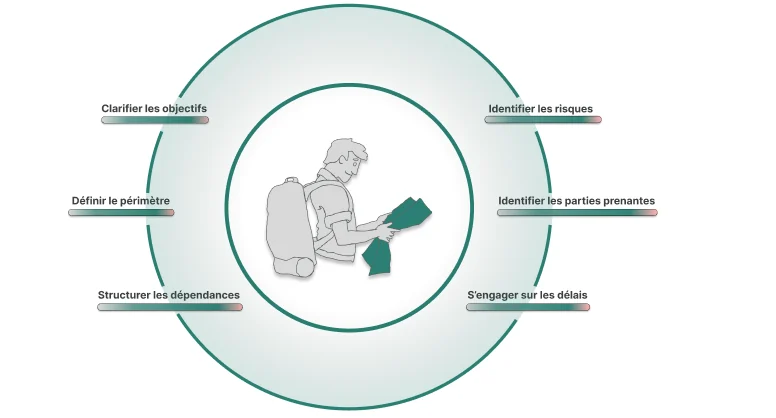 How to scope a project before you commit to a dateFraming is not paperwork. It is the last moment where a decision is cheap. Here is what a scoping stage has to produce before anyone opens a schedule.
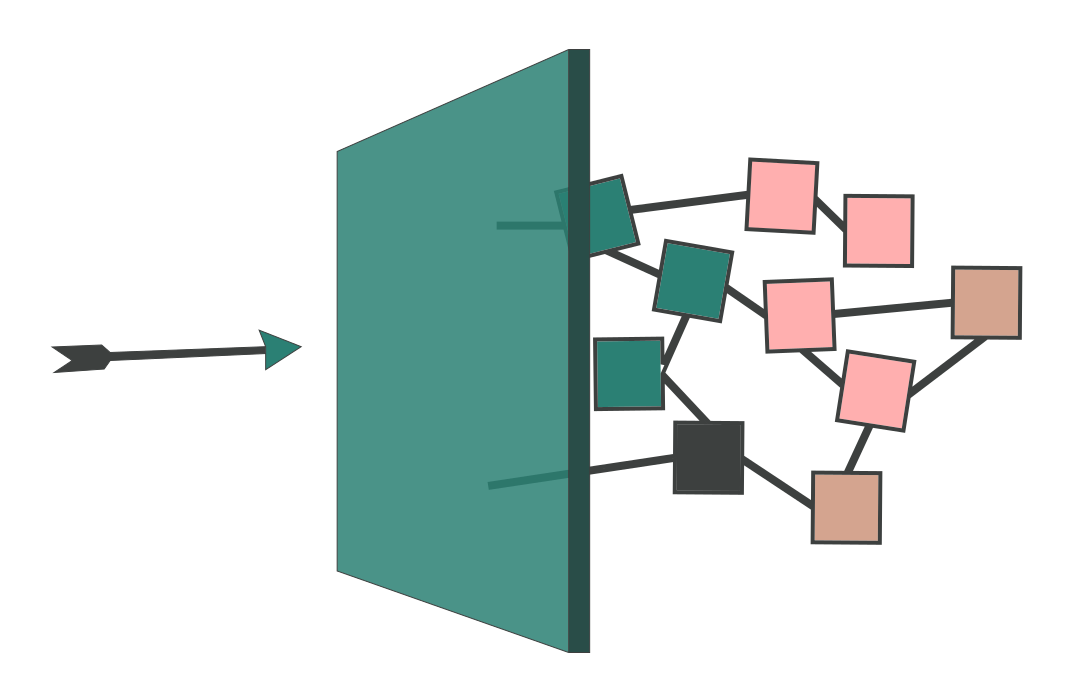 Hidden dependencies: why blockers appear too lateMost project delays do not come from tasks running long. They come from dependencies nobody modelled — discovered at the moment they block something.
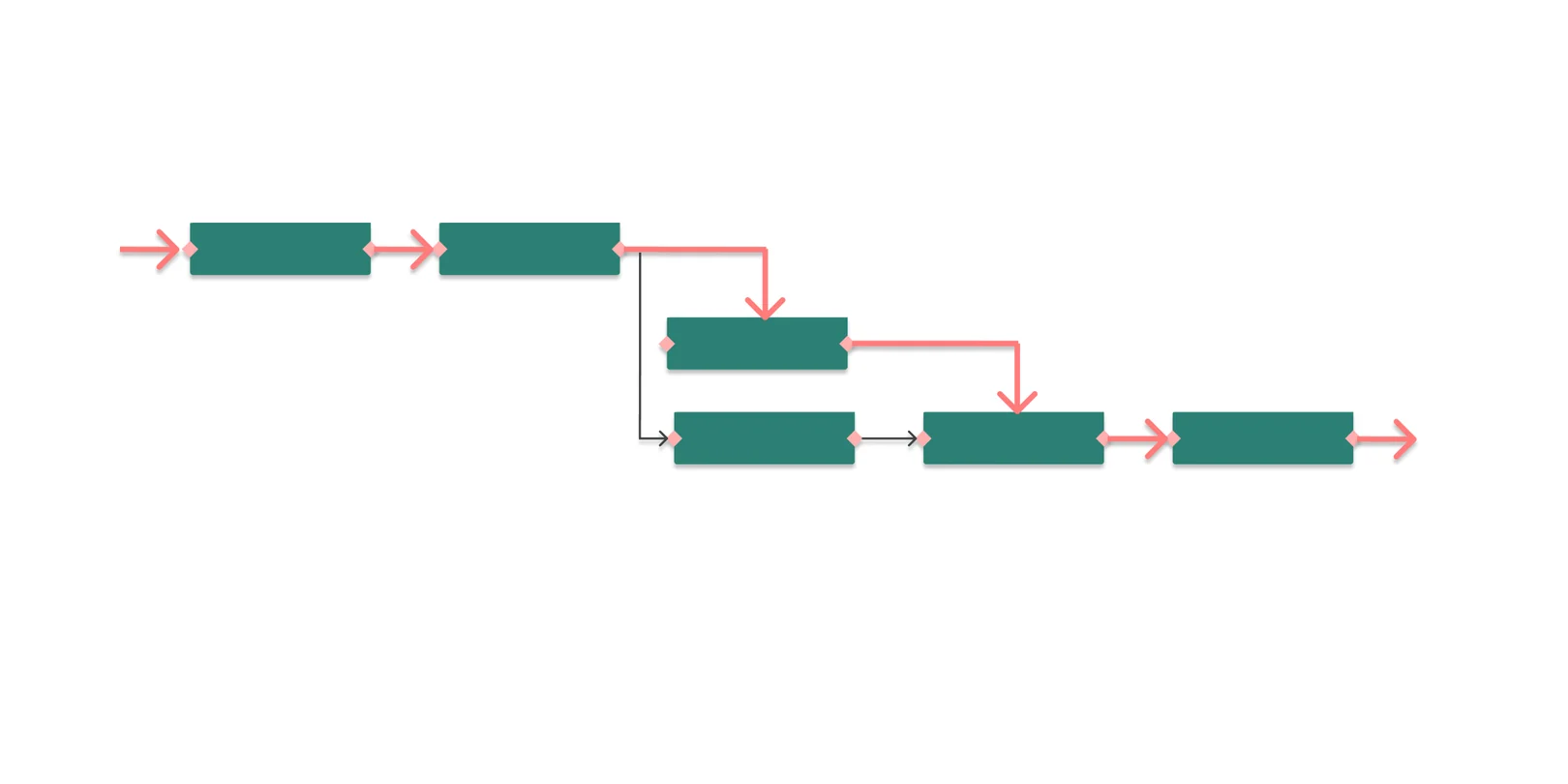 What is the critical path in project management?The critical path is the longest chain of dependent tasks in a project. It sets the minimum duration — and any delay on it moves the end date.
Stop planning construction projects on shaky ground.
Orchesia helps you structure upfront work, clarify dependencies, and secure commitments before the first shovel hits the ground.
30-day free trial • No commitment • No credit card