Why master the fundamentals of project management? History, importance, and methods
Estimated reading time : 7 minIntroduction and importance of project management
To fully understand the importance of project management as it is practiced today and to anticipate its future evolution, it is useful to take a quick look at its history.
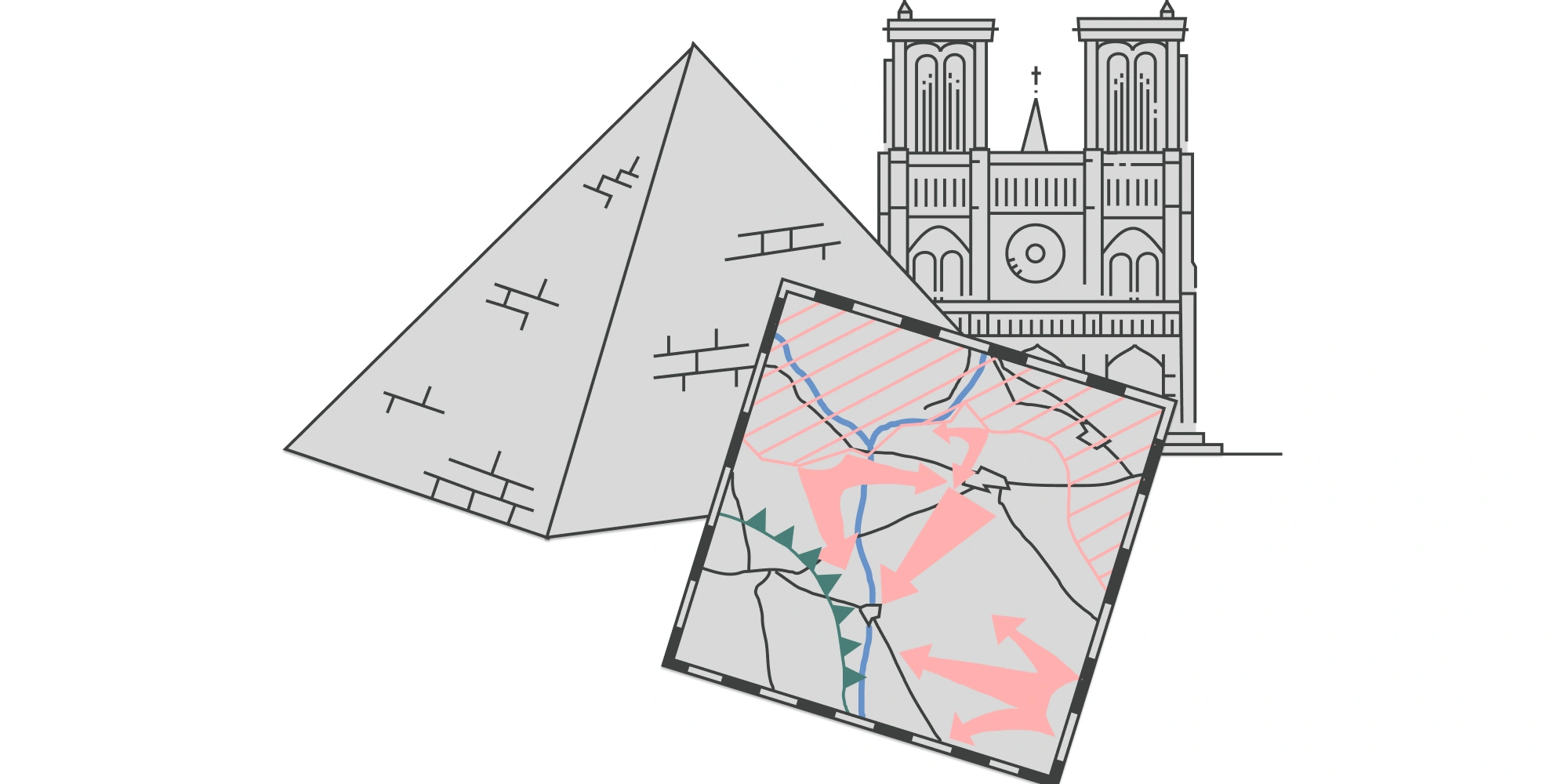
Projects, in the broad sense, have existed for thousands of years. Whether it was building the Egyptian pyramids, designing major military strategies, or creating remarkable architectural structures, humans have always undertaken ambitious projects. However, at that time, these undertakings were seen as engineering feats or military exploits. The concept of project management as a discipline did not yet exist. Those responsible for such achievements saw themselves primarily as architects, engineers, or military leaders.
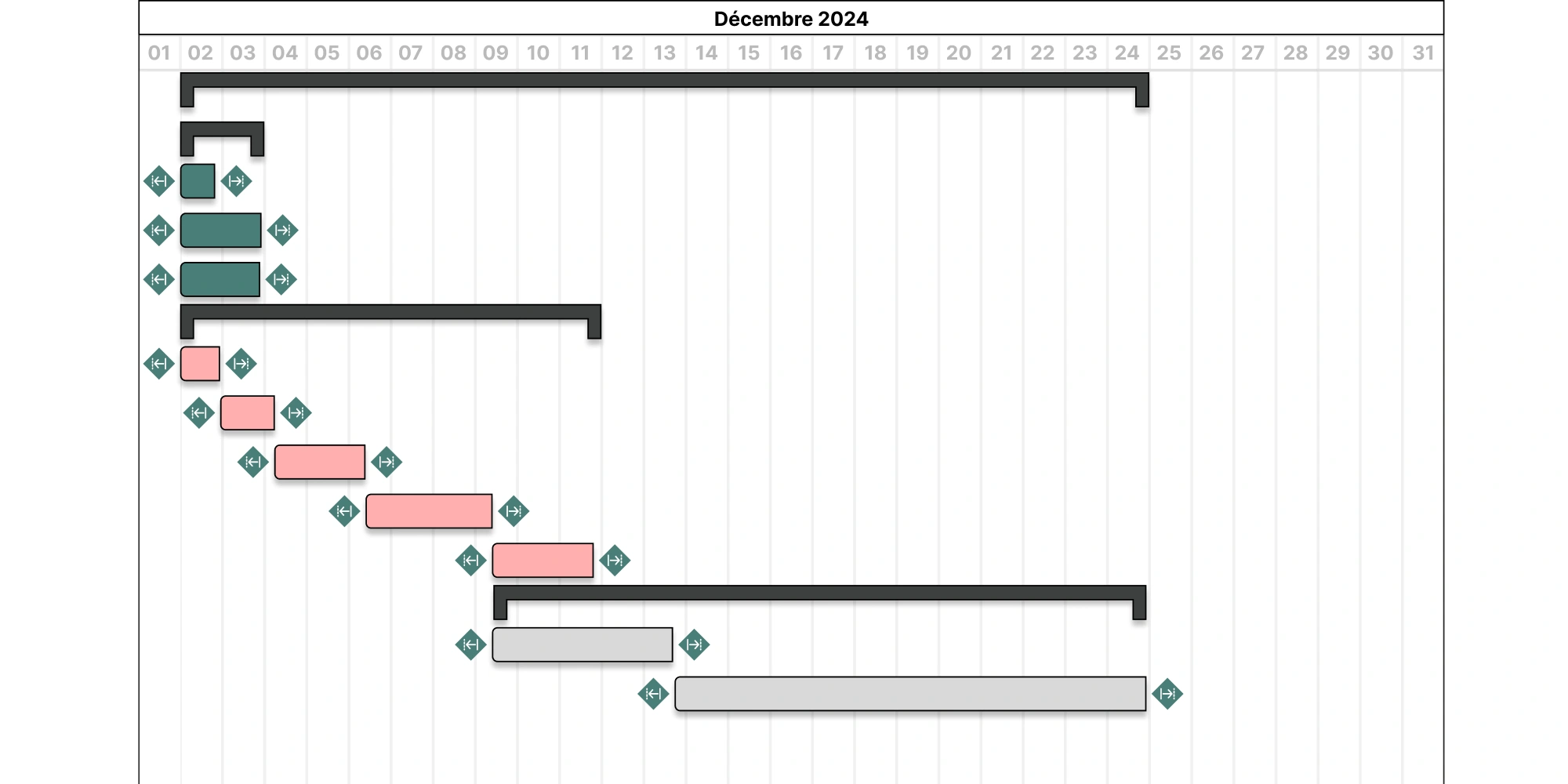
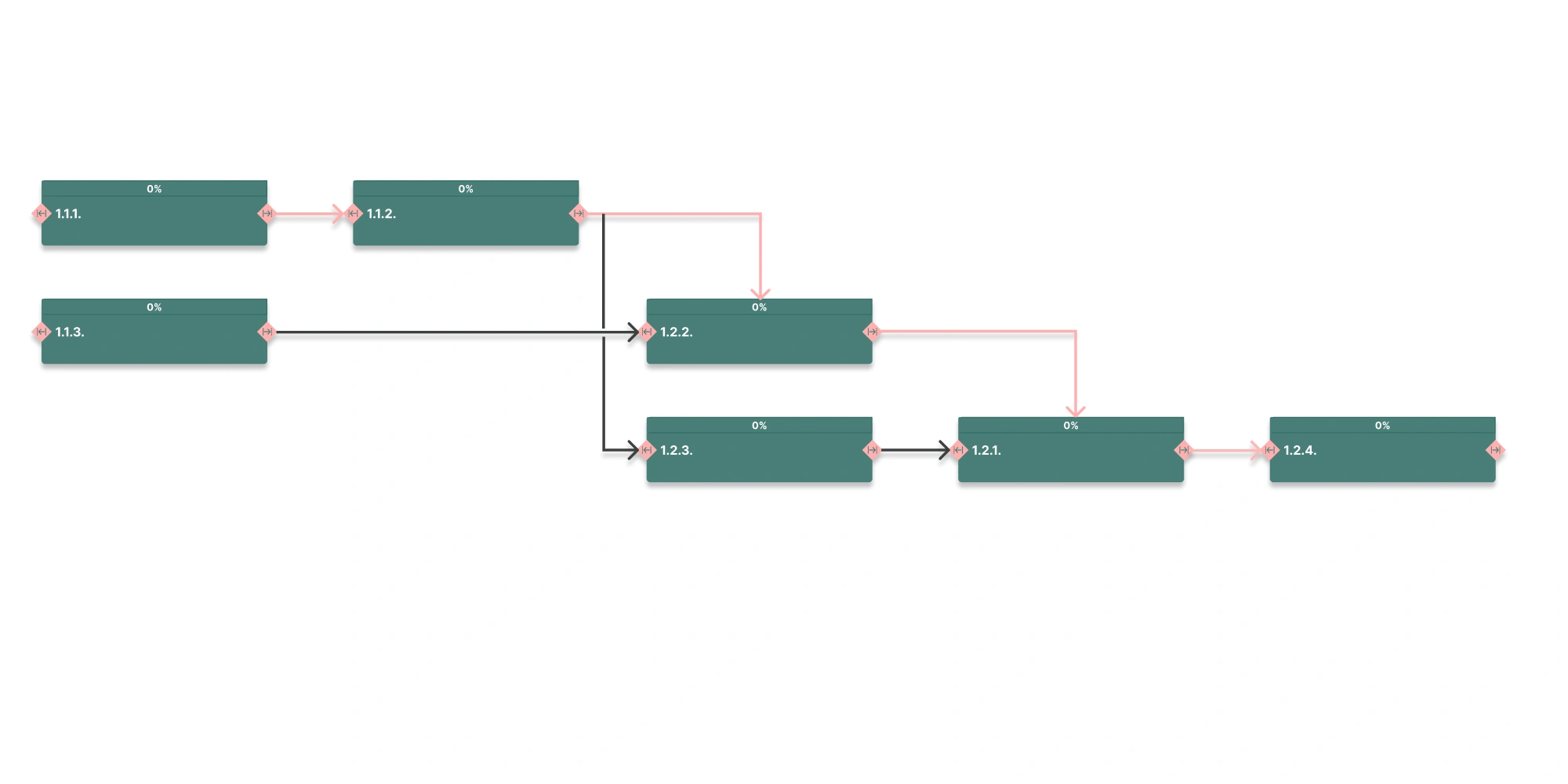
Modern project management, as we know it today, is actually a relatively recent discipline. It was only in the early 20th century that structured methods began to emerge, notably with the famous Gantt chart, popularized by Henry Gantt in the 1910s, and the introduction of the Critical Path Method (CPM), developed by Kelley and Walker in 1957. These advances helped formalize the fundamentals of project management in the fields of tracking and planning.
From the 1960s onward, professional associations began to structure project management practices. One major milestone was the creation, in 1969, of the Project Management Institute (PMI), an international organization dedicated to promoting the discipline. In 1996, it published the renowned PMBOK Guide, a reference book compiling best practices and key skills for becoming a project manager, covering areas such as time management, cost control, quality, and risk management.
Why become a project manager?
With the digital revolution of the past three decades, project management has continued to evolve. New tools and software have emerged, along with innovative approaches better adapted to digital environments, such as Agile methodologies and Kanban. In the face of the growing complexity of modern projects, companies increasingly need skilled project managers capable of successfully leading diverse initiatives in dynamic environments.
According to the PMI’s 2021 Talent Gap Report, by 2030 there will be a need for 25 million new project managers worldwide, or roughly 2.3 million new positions each year. However, a major concern remains: the supply of qualified professionals may not be sufficient to meet this growing demand. Between retirements and increasing needs, companies will have to redouble their efforts to hire skilled talent. Consequently, acquiring the fundamentals of project management is becoming an essential priority for anyone seeking a stable, rewarding, and well-paid career—indeed, the average annual salary of a project manager in France is around €45,000.
A simple and fast training – The key fundamentals and essential methods
As the need for project management training continues to grow among both professionals and individuals, we created Orchesia to meet this increasing demand. We took care to extract the core methods of the discipline, simplify them, and explain them in an accessible way. Our goal: to offer you, through our website, a clear and rigorous training path covering the fundamentals of project management without unnecessary complexity.
Our ambition is simple: to help you understand and master these fundamentals without having to read through complex textbooks or spend years in school.
An intuitive project management tool designed to support your projects
To make project management simpler and more accessible to everyone, we are developing, alongside this training, a project management software designed to make it easier to adopt the fundamentals. Built to be intuitive and easy to use, this tool will enable teams to manage their projects efficiently without requiring long or costly training. Our ambition is to remove the barriers related to project management training in companies by providing a complete solution that supports users from A to Z—from project planning to progress tracking.
Currently under development, we need your help to build it together. Get in touch and take part in the creation of your ideal project management tool.
Try our project management software Orchesia free for two weeks, no commitment!